Orange Floral: A Designer’s Real-World Embroidery Review
First Impressions: Warm, Lively, and Surprisingly Versatile
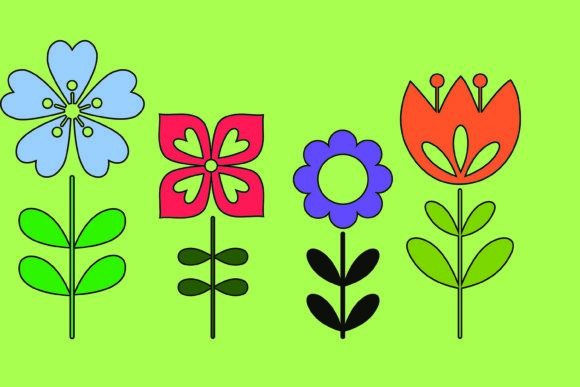
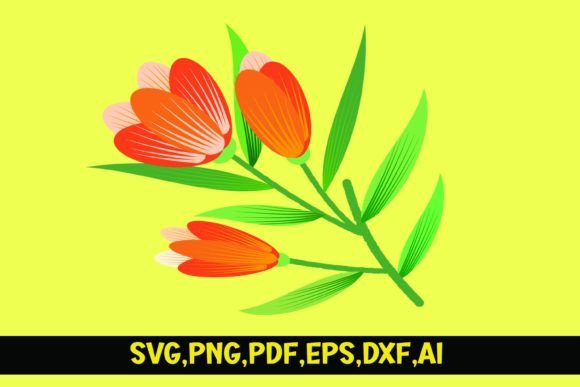
When I opened Orange Floral for the first time, I didn’t just see a graphic—I saw a mood. It’s cheerful without being cutesy, botanical without being fussy, and bold enough to hold its own on fabric but soft enough to feel handmade. The composition balances open space with intentional detail: layered petals, subtle leaf veins, and gentle curves that suggest movement—not rigidity. As a machine embroidery design, it doesn’t scream “digital” or “clip art.” Instead, it reads like something sketched by hand then thoughtfully digitized for stitch integrity. That matters—especially when you’re stitching for clients or selling finished products.
A Real Project Test: Custom Embroidered Tote Bags for a Local Boutique
Last week, I used Orange Floral on a set of organic cotton tote bags for a small shop launching a spring collection. We chose medium-weight canvas with tear-away stabilizer and 40-weight rayon thread in tangerine, burnt sienna, and sage. The result? Clean satin stitches on the petals, smooth fill stitch in the center, and crisp running-stitch outlines where needed. No puckering. No thread breaks. Customers responded immediately—not just to the color, but to how *alive* the motif felt stitched, not printed. That’s the difference between a generic graphic and a considered embroidery file: Orange Floral behaves like a design built for fabric, not just pixels.
Where It Shines (and Where It Needs Thought)
Orange Floral works beautifully across a range of Crafts applications—but not equally everywhere. Here’s what I’ve learned from real use:
- Custom apparel: Excellent on sweatshirts and structured tees—its moderate density holds up well on knit blends when paired with cutaway stabilizer. Avoid ultra-thin jersey unless you reduce stitch density or add lightweight backing.
- Tote bags & pillow covers: Ideal. The scale reads clearly at 3.5–4.5 inches, and the floral shape fills space without overwhelming texture.
- Baby embroidery & nursery decor: Soft enough for onesies and burp cloths, but test stitch density first—delicate fabrics need lighter fill stitch and slower machine speed.
- Holiday embroidery & personalized gifts: Works year-round, but especially strong for spring birthdays, Mother’s Day, or baby showers. Its warmth reads as heartfelt, not seasonal.
- Embroidered patch & cap projects: Use caution on curved surfaces. The outer petal edges may require re-hooping or a smaller version—check corner clarity before committing to a full run.
Fabric & Context Notes Every Designer Should Check
This isn’t just about whether Orange Floral *can* stitch—it’s about whether it *should*, given your material and end use:
- Dark fabric? Test contrast with light thread. Some orange tones fade visually on navy or charcoal unless you boost brightness in your thread selection or add a white underlay.
- Textured or napped fabric? Like terry cloth or fleece? Add a layer of iron-on stabilizer beneath tear-away to keep petal definition sharp.
- Small hoop sizes? The full motif fits comfortably in a 5x7 hoop—but if you’re working with 4x4, confirm whether a scaled-down version maintains legibility. Tiny stems and inner details can blur.
- Frequent washing? For kitchen towels or baby items, choose high-quality thread and lock stitches at start/end. Satin-stitched petals hold up better than dense fill in repeated laundering—if the digitizing avoids over-stuffing.
What It Adds to Your Finished Product—Beyond Aesthetics
As an embroidery designer who also sells digital embroidery files and custom stitched goods, I pay attention to how a design affects perception. Orange Floral lifts perceived value: customers describe pieces featuring it as “thoughtful,” “artful,” and “uniquely made”—not mass-produced. That builds trust, especially for Etsy sellers and craft fair vendors. It also supports brand consistency: whether you’re branding a line of handmade aprons or holiday tea towels, this motif reads cohesive across categories. And because it’s not overly literal or trendy, it stays relevant across seasons—no forced rebranding.
Practical Designer Notes Before You Stitch
Before using Orange Floral on your next project—or listing it in your shop—do these five things:
- Run a test on scrap fabric matching your final material, using your exact stabilizer and thread colors.
- Check small details (like stem tips and inner petal lines) at actual size—zoom in on your embroidery software preview.
- Review stitch density: high density adds richness but risks stiffness on soft fabrics; low density saves thread but may look sparse on dark backgrounds.
- Confirm hoop size compatibility—and whether the design includes multiple sizes or color-separation options (especially helpful for applique design workflows).
- Verify licensing terms. Since Orange Floral is listed as a Graphics asset for crafts, double-check whether commercial embroidery or resale of finished embroidered items is permitted.
Final Thought: Not Just a Design—A Reliable Tool
I don’t keep many embroidery files in my “go-to” folder. Most get rotated out after one or two uses. Orange Floral has stayed in mine for over six months—and I’ve used it on everything from boutique-branded pillow covers to wedding guestbook patches and small-batch aprons. It’s not flashy, but it’s dependable. It stitches cleanly, photographs well, and connects with buyers on a quiet, human level. If you’re curating design assets for your craft business or building a library of trusted machine embroidery designs, this one earns its place—not because it’s perfect, but because it’s practical, expressive, and built to live in the real world of thread, fabric, and handmade product.